Madrid Chamartín to San Sebastián Donostia by Renfe Alvia: The 250 km/h Variable-Gauge Northern Passage
Ride the Renfe Alvia Class 130 through the Burgos automatic gauge changer to San Sebastián Donostia in 4 hours 52 minutes. Crucial seat reservation tactics, Biscay coastal approach, and pass breakeven math.
Route At-a-Glance
• Origin: Madrid Chamartín-Clara Campoamor (Track 14–21) | Terminus: San Sebastián Donostia (Track 1–3)
• Route Distance: 494 km across the Castilian Meseta, Burgos Basin, and Basque Cantabrian valleys
• Rail Duration: 4 hours 52 minutes via direct Alvia Class 130 (vs 5h 45m driving via AP-1)
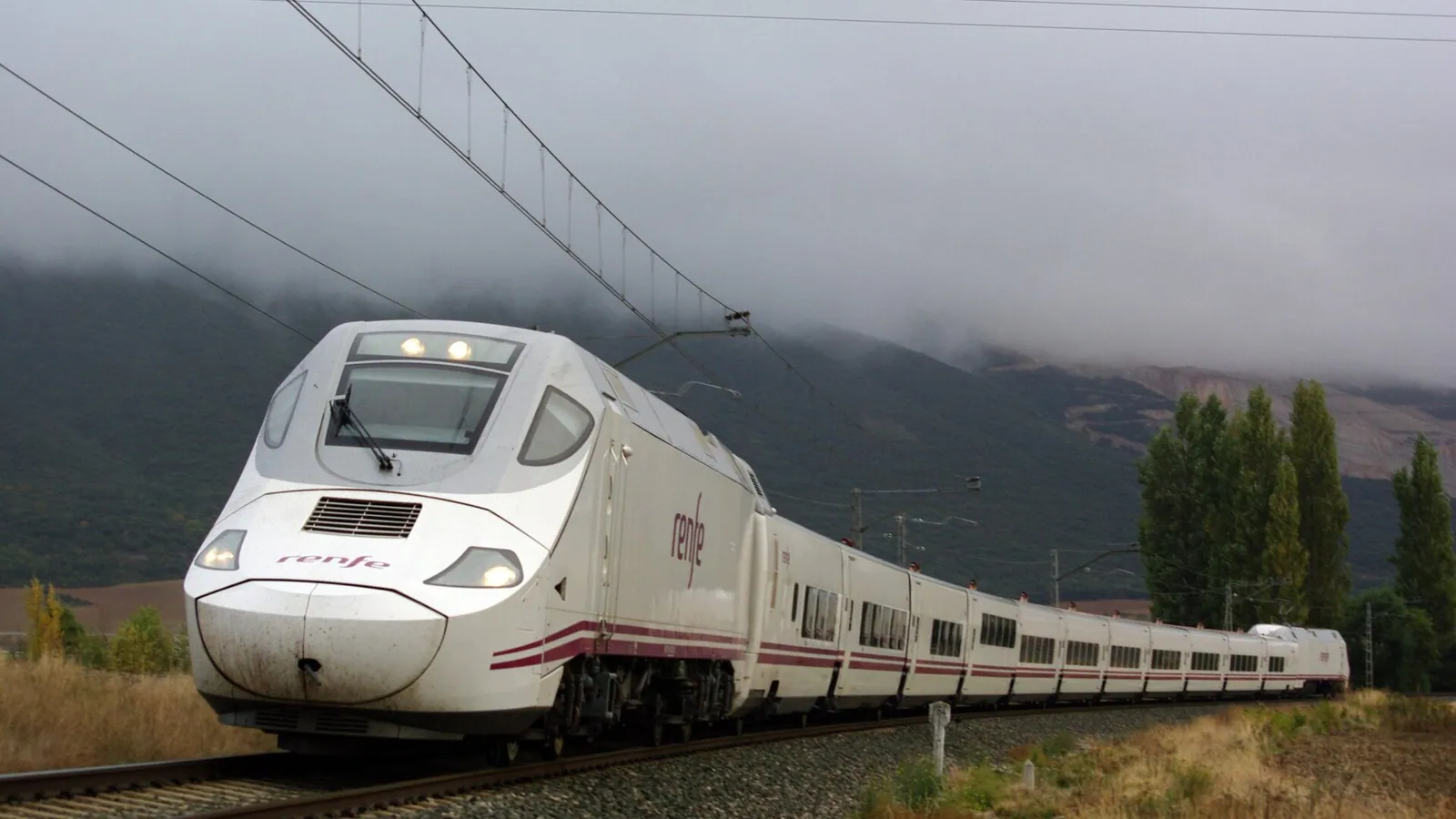
• Transit Service: Renfe Alvia (electric variable-gauge dual-voltage high-speed trainset)
• Pacing Strategy: Single uninterrupted high-speed run or overnight stop in historic Burgos (2h 15m from Madrid)
• Operational Window: Year-round daily service (4 direct daily roundtrips); peak bookings 60–90 days out on Renfe.com
Ground-Truth Reality Checks
The Burgos Gauge-Shift Slowdown: Between Burgos Rosa Manzano and Miranda de Ebro, the train crawls through an automatic gauge-changer (intercambiador de ancho) at 15 km/h for 7 minutes, switching axle widths from 1,435mm European standard gauge to 1,668mm Iberian broad gauge without passenger evacuation.
San Sebastián Track-Level Wind & Sea Humidity: Donostia station sits 350 meters from the Urumea river estuary; coastal winter fog and salt spray frequently slick platform surfaces along Tracks 1 and 2, requiring slip-resistant luggage wheels.
Chronological Segment Breakdown & Pacing
Leg 1: Madrid Chamartín to Valladolid Campo Grande (179 km | 53 min). The Alvia accelerates to 250 km/h on standard-gauge high-speed tracks through the 28.4 km Guadarrama Base Tunnel. Book window seats on the RIGHT side for elevated vistas across the Castilian plains toward the Segovia aqueduct ridge.
Leg 2: Valladolid to Burgos Rosa Manzano (128 km | 48 min). Cruising at 200 km/h across the fertile agricultural plateaus of northern Castile. At Burgos, observe the hydraulic gauge changeover telemetry before transitioning onto the classic broad-gauge railbed.
Leg 3: Miranda de Ebro to San Sebastián Donostia (187 km | 3h 11m). Carving through the limestone gorges of the Basque mountains via Vitoria-Gasteiz and the Urumea river valley. Switch your gaze to the LEFT window as the rail line enters Donostia-San Sebastián, revealing dramatic Basque coastal foothills and the iconic Belle Époque iron-and-glass canopy of the station.
Where to Anchor (Vetted Base Stays)
Transit-Friendly: Hotel Maria Cristina (5-minute flat walk across the Santa Catalina bridge from Donostia station; historic 1912 riverfront palace with swift bag-drop access).
Scenic/Boutique: Hotel Villa Favorita (12-minute taxi from the terminal; boutique adults-only seafront anchor perched directly over La Concha bay promenade).
The Booking Masterclass & Pass Math
Renfe ticket booking windows open 60 to 90 days ahead via Renfe.com. Advance Básico tickets start at €24.50, scaling to €82.00 on Friday afternoon departures. Pass math: Eurail / Interrail Global Pass holders must secure a compulsory seat reservation (€10 in standard turista, €13 in confort), available online via Renfe.com or at Chamartín international ticket counters (Platform 14 concourse). Single advance tickets beat the pass daily rate if booked >45 days in advance.
Crucial Route Pitfalls (What NOT to Do)
Never attempt to board at Madrid Chamartín with less than 25 minutes before departure: the security baggage X-ray scanners on the lower concourse generate 15-minute queues during morning departures, and boarding gates close precisely 3 minutes before the train pulls away from the platform.
Madrid To San Sebastian Renfe Alvia Passage Summit Operational Radar
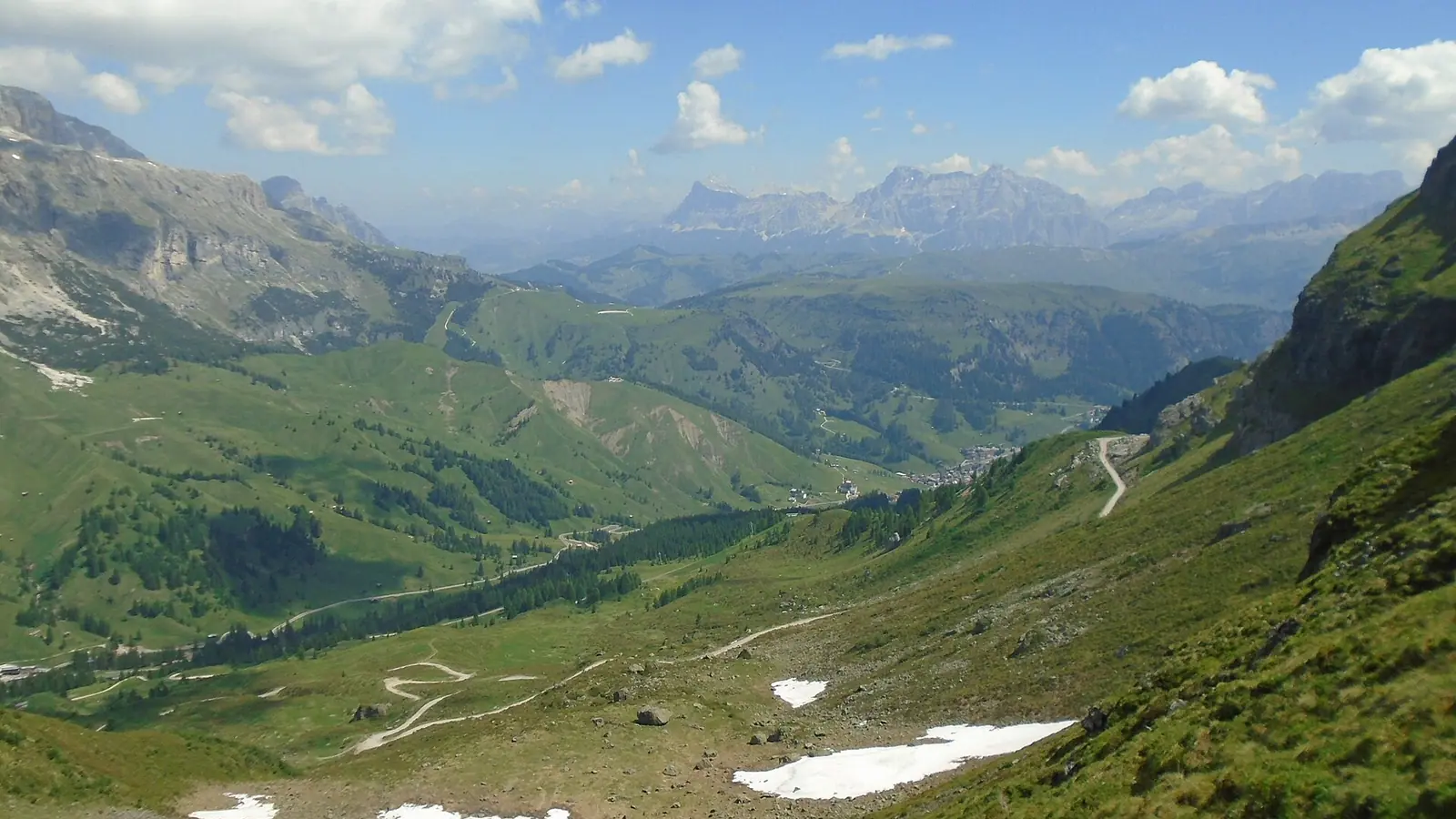
Pass Summit (2,150m) Inaccessible Due to Deep Snowpack
Lower valley gates are locked shut. Heavy snow accumulation and avalanche barriers prevent through-traffic across the crest until late spring rotary plows clear drifts.
Madrid To San Sebastian Renfe Alvia Passage Topographical Elevation Profile
Elevation profile showing mountain summits, steep climbs, hairpin turns, and elevation changes along the route.
Pass Waypoint Altitudes & Milestones
Click waypoint to highlight position on profileTransalpine Thermal Brake Warning: On continuous descents exceeding 8% grade over 10+ km, never ride your footbrake. Shift automatic transmissions into Manual Mode (M2/M3) or manual gearboxes into 2nd gear to leverage engine braking compression, keeping speeds below 50 km/h and preventing boiling brake fluid.
Reserve European Rail Passes & Tickets
Lock in advance Tier 1 fares up to 120 days early on Trenitalia, SNCF, Eurostar, and SBB with zero currency markup.
FTC Disclosure: When you book tickets or rentals through our verified transit links, Passagery may earn an affiliate commission at zero additional cost to you.
Discussion
No comments yet