Madrid to Barcelona by Rail: The 5-Day High-Speed Spanish Passage
Comparing Renfe AVE, Iryo, and Ouigo across Spain's premier 621 km line. Security checks at Atocha, 300 km/h speeds, and luggage limitations.
Route At-a-Glance
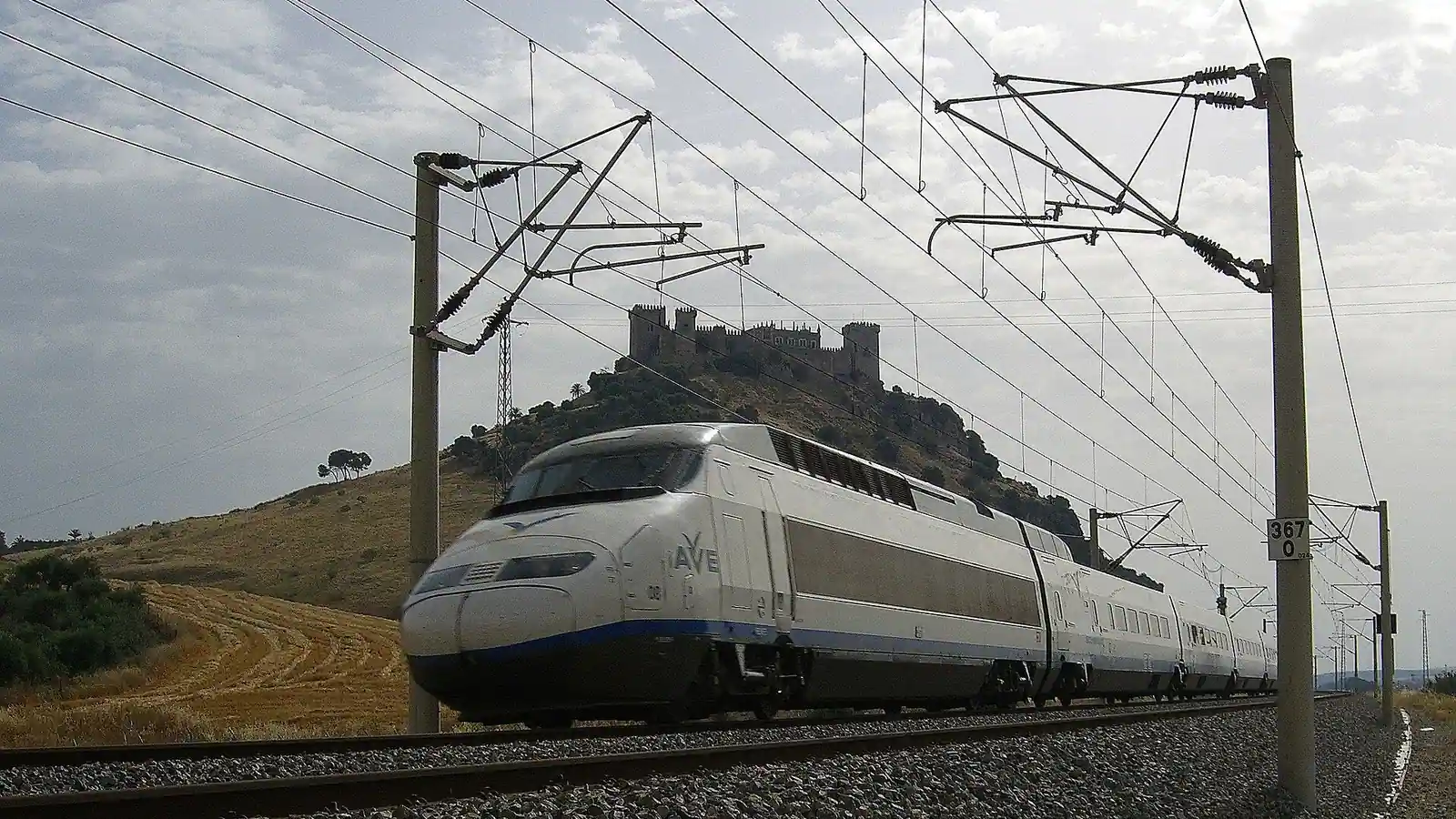
Origin: Madrid Puerta de Atocha-Almudena Grandes | Terminus: Barcelona Sants | Corridor Distance: 621 km (386 miles) | Rail Duration: 2 hours 30 minutes non-stop; recommended 5-day pacing via Zaragoza | Primary Transit Mode: 4-Operator High-Speed Competition: Renfe AVE (S-103), Iryo (Frecciarossa 1000), Ouigo España (TGV 2N2), and Renfe Avlo | Top Speed: 310 km/h | Ideal Season: Year-round | Advance Booking Window: 90 to 120 days.
Ground-Truth Reality Checks
Ground-Truth Alert 1: Madrid Atocha requires passing all luggage through X-ray security scanners before descending to the departure gates. Lines during morning peak (07:00–09:00) take up to 20 minutes; arrive at least 35 minutes prior to departure.
Ground-Truth Alert 2: Ouigo enforces strict airline-style carry-on bag limits (55 x 35 x 25 cm). Passengers with oversized bags face €20 platform gate penalty surcharges. Iryo and Renfe AVE include generous 3-bag allowances with no weight checks.
The Four-Operator Competition Matrix
Spain's rail deregulation created Europe's most competitive corridor: Renfe AVE delivers classic reliability and business lounges (Sala Club); Iryo offers Italian luxury Frecciarossa trainsets with leather seating, espresso bars, and 5G Wi-Fi; Ouigo operates double-decker French TGVs with rock-bottom €9 fares; Avlo is Renfe's purple low-cost answer.
Chronological Segment Breakdown
Leg 1: Madrid Atocha to Zaragoza Delicias (1h 15m)
Departing Atocha, trains climb across the dry plains of Castilla-La Mancha before accelerating to 300 km/h through Guadalajara. The landscape transitions into the rugged red-clay canyons of the Jalón Valley. Zaragoza Delicias station is an enormous steel space-frame cathedral where trains make 3-minute passenger calls.
Leg 2: Zaragoza to Lleida and Camp de Tarragona (52m)
Crossing the Ebro River basin, the train sprints into Catalonia past peach orchards and limestone mesas. Look out the RIGHT window near Camp de Tarragona to catch distant glimpses of the Mediterranean Sea shimmering on the horizon.
Leg 3: Camp de Tarragona to Barcelona Sants (33m)
Diving through the Gornal tunnels into Barcelona, the train decelerates into Barcelona Sants Tracks 1–6. Sants connects directly to Metro Lines L3 and L5, reaching the Gothic Quarter in 12 minutes.
Where to Anchor
Transit-Friendly Anchor (Madrid): Only YOU Hotel Atocha, located directly opposite the station entrance with soundproofed designer suites.
Modern Anchor (Barcelona): Nobu Hotel Barcelona, situated 150 meters flat walk from Barcelona Sants exit doors.
The Booking Masterclass & Pass Math
Thanks to four-way competition, advance fares regularly plunge to €9 on Ouigo and €18 on Iryo. Eurail Pass holders should note that Renfe reservations CANNOT be made via the Eurail app; pass holders must wait in line at station ticket windows and pay €10 to €13 surcharges.
Crucial Route Pitfalls (What NOT to Do)
Never rely on last-minute Eurail pass reservations for Friday evening departures between Madrid and Barcelona. Pass quotas sell out 5 to 7 days in advance; buying a separate €25 Iryo ticket is far safer.
Madrid To Barcelona High Speed Corridor Summit Operational Radar
Pass Summit (2,150m) Inaccessible Due to Deep Snowpack
Lower valley gates are locked shut. Heavy snow accumulation and avalanche barriers prevent through-traffic across the crest until late spring rotary plows clear drifts.
Madrid To Barcelona High Speed Corridor Topographical Elevation Profile
Elevation profile showing mountain summits, steep climbs, hairpin turns, and elevation changes along the route.
Pass Waypoint Altitudes & Milestones
Click waypoint to highlight position on profileTransalpine Thermal Brake Warning: On continuous descents exceeding 8% grade over 10+ km, never ride your footbrake. Shift automatic transmissions into Manual Mode (M2/M3) or manual gearboxes into 2nd gear to leverage engine braking compression, keeping speeds below 50 km/h and preventing boiling brake fluid.
Reserve European Rail Passes & Tickets
Lock in advance Tier 1 fares up to 120 days early on Trenitalia, SNCF, Eurostar, and SBB with zero currency markup.
FTC Disclosure: When you book tickets or rentals through our verified transit links, Passagery may earn an affiliate commission at zero additional cost to you.
Discussion
No comments yet